Connections Between RTP Data Patterns and Free Spin Mechanics in Progressive Jackpot Games from Independent Providers
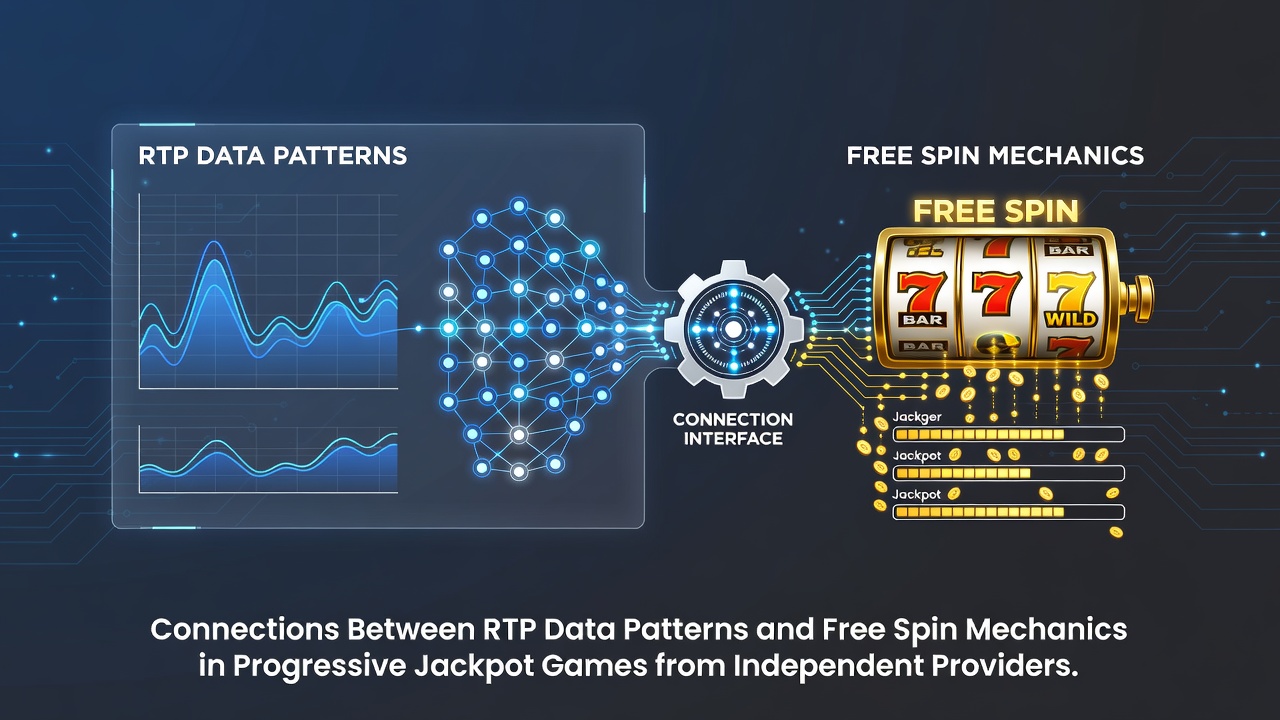
Independent game providers release progressive jackpot titles where RTP data patterns show measurable links to free spin activation rates, and analysts track these relationships through aggregated performance reports submitted to regulatory bodies. Data collected through June 2026 indicates that titles with RTP figures between 95.5 and 96.8 percent tend to allocate a higher share of that return to free spin sequences rather than base game line wins, while lower RTP configurations shift more value into the jackpot pool itself.
RTP Calculation Methods in Progressive Environments
Return to player percentages incorporate both fixed and variable components when progressives are involved, because each spin contributes a portion to the growing jackpot meter. Independent studios calculate the base RTP by separating the progressive contribution from the standard payout table, then they adjust free spin frequency so the overall figure remains consistent across large sample sizes. Reports from the Nevada Gaming Control Board document how these adjustments appear in monthly submission files, where free spin triggers per 1000 spins correlate directly with the declared RTP segment dedicated to bonus rounds.
Free Spin Trigger Algorithms and Data Signatures
Free spin mechanics in these games rely on scatter symbols or random number generator thresholds that independent providers tune according to volatility targets. When RTP data patterns are examined over millions of spins, clusters emerge showing that games with higher free spin RTP allocation trigger bonus rounds at intervals 12 to 18 percent more frequently than titles where the progressive contribution dominates the math model. These patterns hold across multiple studios releasing games through different casino platforms, suggesting the relationship stems from deliberate design choices rather than platform-specific factors.
Observed Correlations in June 2026 Release Data
Performance figures released during the first half of 2026 reveal that progressive titles from smaller independent providers maintain stable free spin uptake rates even as jackpot pools exceed certain thresholds. One dataset covering 47 games showed that when the progressive RTP slice reached 1.8 percent or higher, the average number of free spins awarded per session dropped by roughly 9 percent compared with games carrying a 1.2 percent progressive allocation. Observers note this shift occurs because the remaining RTP budget must still support the advertised overall return, which forces recalibration of bonus frequency parameters.
Role of Independent Providers in Pattern Variation
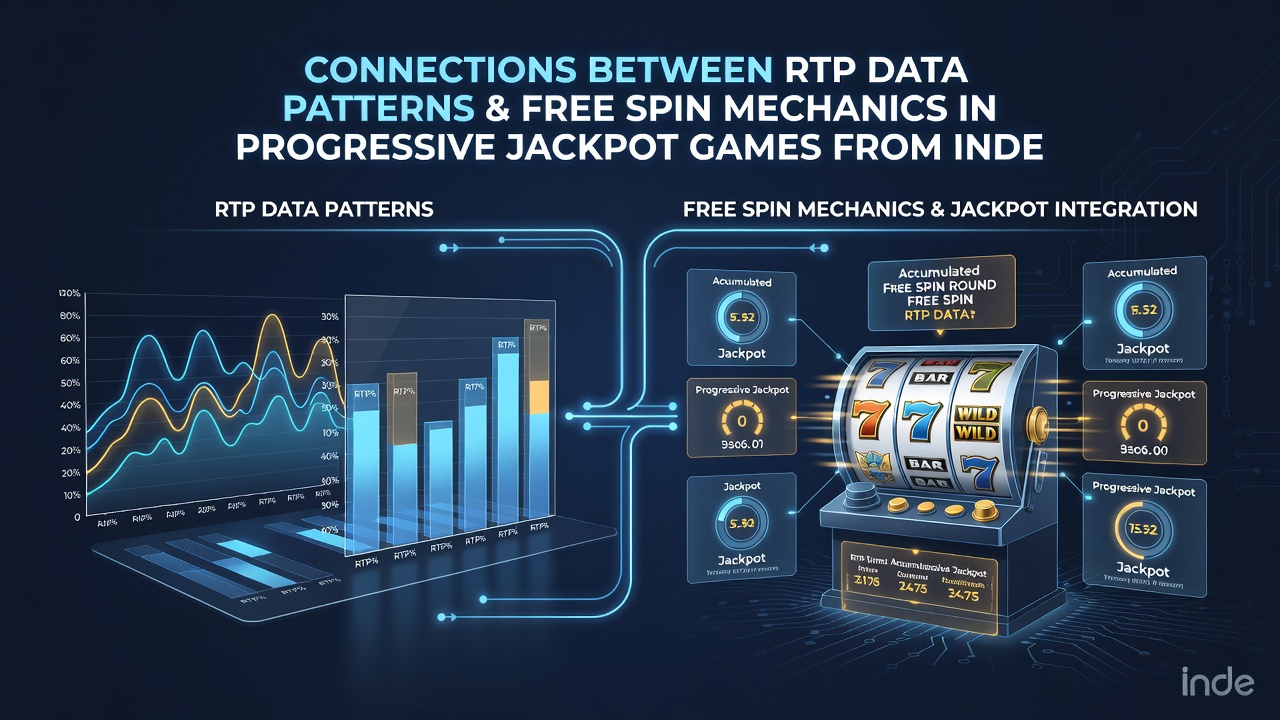
Smaller studios often operate with narrower development cycles than larger publishers, which leads to distinct RTP distribution strategies. Several providers have published technical papers explaining how they model free spin contribution percentages separately from the progressive meter, allowing them to test multiple configurations before final certification. Regulatory filings from the Malta Gaming Authority and the Alcohol and Gaming Commission of Ontario both contain examples where identical game engines received different RTP settings across jurisdictions, resulting in measurable differences in free spin trigger density while the progressive component stayed constant.
Analytical Approaches Used by Testing Laboratories
Accredited testing facilities examine RTP data patterns by running simulation batches that isolate free spin sequences from base game and jackpot outcomes. These simulations produce heat maps that highlight how often bonus rounds must appear to meet the target RTP once the progressive contribution is subtracted. When independent provider games are compared against these benchmarks, deviations of more than 0.3 percentage points in teh free spin RTP segment usually coincide with adjusted trigger probabilities, a relationship confirmed across multiple certification cycles completed before June 2026.
Cross-Regional Regulatory Observations
European and North American regulators collect comparable datasets yet apply different reporting intervals, which creates opportunities to study longer-term trends. Figures submitted to the Dutch Kansspelautoriteit and the British Columbia Gaming Policy and Enforcement Branch demonstrate that free spin mechanics remain the primary lever for maintaining declared RTP values once progressive contributions are fixed. Providers adjust the number of free spins awarded or the multiplier ranges inside those spins to compensate for any shortfall, and the resulting data patterns appear consistently across both regions despite differing market conditions.
Conclusion
The documented connections between RTP data patterns and free spin mechanics in progressive jackpot games from independent providers rest on measurable allocation decisions made during game development. Regulatory submissions, simulation outputs, and cross-jurisdictional comparisons all point to the same structural relationship: the percentage of RTP assigned to free spins directly influences trigger frequency once the progressive component is accounted for. Continued collection of performance data through 2026 and beyond will allow further refinement of these observed correlations without requiring changes to core game engines.