Correlations Between Game Provider Partnerships and Jackpot Pool Growth in Mobile-First Casino Environments
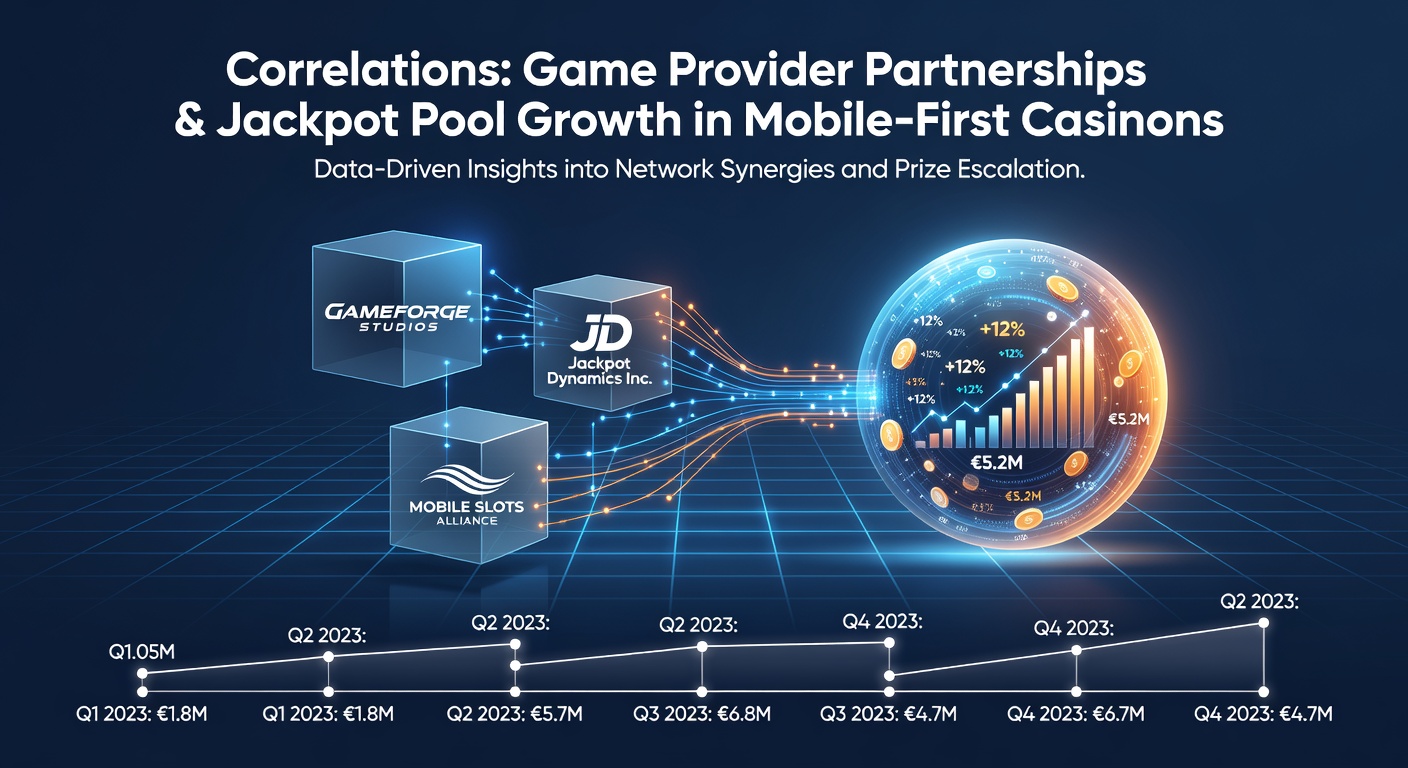
Game provider partnerships have expanded significantly in mobile-first casino environments where shared jackpot pools rely on synchronized contributions from multiple studios and operators, and these arrangements shape how prize amounts scale over time. Mobile platforms account for an increasing share of player activity because devices allow continuous access and seamless updates across regions, while partnerships between providers create larger combined pools that draw from broader player bases rather than isolated titles.
Structure of Provider Partnerships in Mobile Gaming
Operators form agreements with several providers to integrate games into single mobile applications, and these deals often include clauses for pooling jackpot contributions across compatible titles. Such arrangements permit smaller studios to access larger prize structures without building independent networks, while established providers gain additional volume through cross-promotion on partner platforms. Data from regulatory filings shows that pooled systems require standardized APIs and real-time tracking to ensure accurate allocation of each wager toward the shared pool, and compliance with these technical standards has become routine in markets where mobile play dominates.
Partnership models vary by jurisdiction because licensing rules influence how contributions flow between entities. In markets overseen by the Malta Gaming Authority, operators must document contribution percentages and audit trails for every participating provider, whereas Australian state regulators require similar transparency but focus on consumer protection metrics tied to prize distribution frequency. These frameworks create measurable datasets that researchers use to examine growth patterns in pooled jackpots when new partners join an ecosystem.
Jackpot Pool Dynamics in Mobile-First Settings
Jackpot pools accumulate through fixed percentages of each qualifying bet, and mobile environments accelerate this process because session lengths and wager volumes tend to exceed those recorded on desktop interfaces. When multiple providers link their games into one pool, the combined contribution rate increases without raising the individual game RTP, which allows the prize to climb faster during peak playing hours. Observers note that peak accumulation periods align with evening hours across time zones, and cross-provider connectivity ensures that a wager placed on one studio's title adds to the same meter visible in another provider's game within the same app.
Technical infrastructure supporting these pools includes centralized servers that reconcile contributions every few seconds, and this speed matters in mobile settings where players switch between games rapidly. Reports compiled through 2026 indicate that pools linked across five or more providers reach higher average values than single-provider pools of comparable player traffic, although the exact growth differential depends on regional participation rates and promotional calendars.
Observed Correlations in Recent Data
Analyses of transaction logs from mobile-first operators reveal that the addition of a new provider to an existing partnership network correlates with accelerated pool growth in the subsequent months. One study tracking European and North American markets found that pools expanded by an average of 18 percent within 90 days after a mid-tier studio joined a multi-provider agreement, while comparable standalone pools grew by roughly 9 percent over the same interval. These figures come from aggregated operator reports submitted to oversight bodies and do not reflect individual game performance.
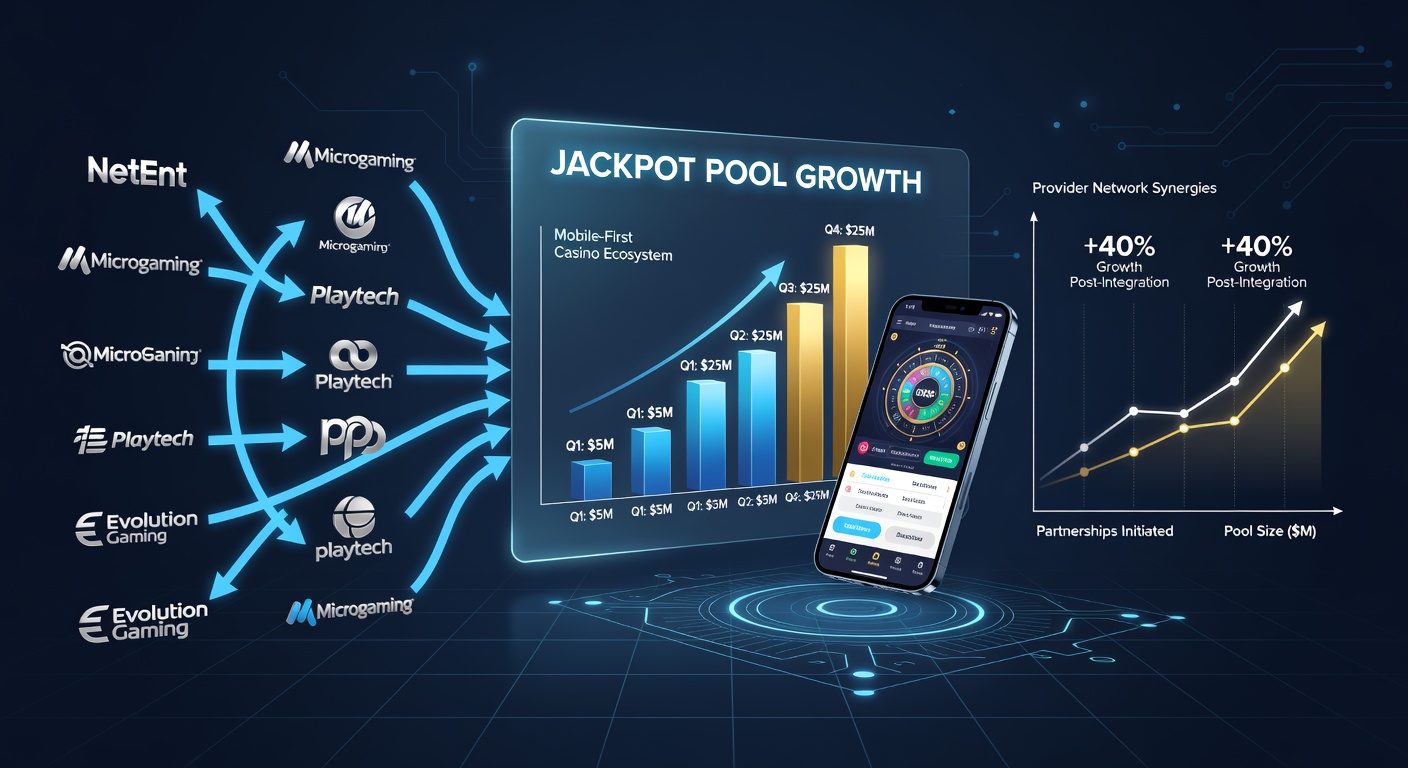
Geographic differences appear in the strength of these correlations. Markets with higher mobile penetration, such as parts of Southeast Asia and Scandinavia, show steeper growth curves following partnership announcements, whereas regions with stricter advertising limits experience more gradual increases. A 2025 report issued by the International Gaming Institute at the University of Nevada documented similar patterns across several U.S. states that permit mobile casino play, noting that shared pools maintained steadier contribution rates during off-peak periods when single-provider systems experienced dips.
Technical and Regulatory Factors Influencing Outcomes
API compatibility and contribution synchronization standards determine whether a new partnership actually enlarges the pool or merely redistributes existing contributions. When providers adopt uniform protocols early in the integration process, the pool benefits from immediate volume increases rather than phased rollouts that delay full connectivity. Regulatory requirements in Canada and several Australian states mandate third-party audits of these systems before pooled play begins, and the resulting compliance documentation supplies researchers with granular timestamps that help isolate the impact of each added partner.
Seasonal events also interact with partnership structures. During May 2026, several operators introduced limited-time mobile tournaments that funneled additional wagers into shared jackpot pools, and preliminary data indicate that networks with four or more active providers recorded larger tournament-driven spikes than smaller networks. These short-term surges subside once the events conclude, yet the baseline pool size often remains elevated due to the expanded player reach established during the partnership phase.
Conclusion
Available datasets demonstrate measurable associations between the number and diversity of game provider partnerships and the rate at which mobile-first jackpot pools expand, although causation remains subject to ongoing analysis by academic and regulatory bodies. Continued monitoring through standardized reporting channels will clarify how technical standards, regional rules, and player behavior patterns jointly shape these outcomes over successive periods.