Decoding Provider Collaboration Patterns Behind Adaptive Bonus Layering in Cross-Regional Mobile Casino Ecosystems
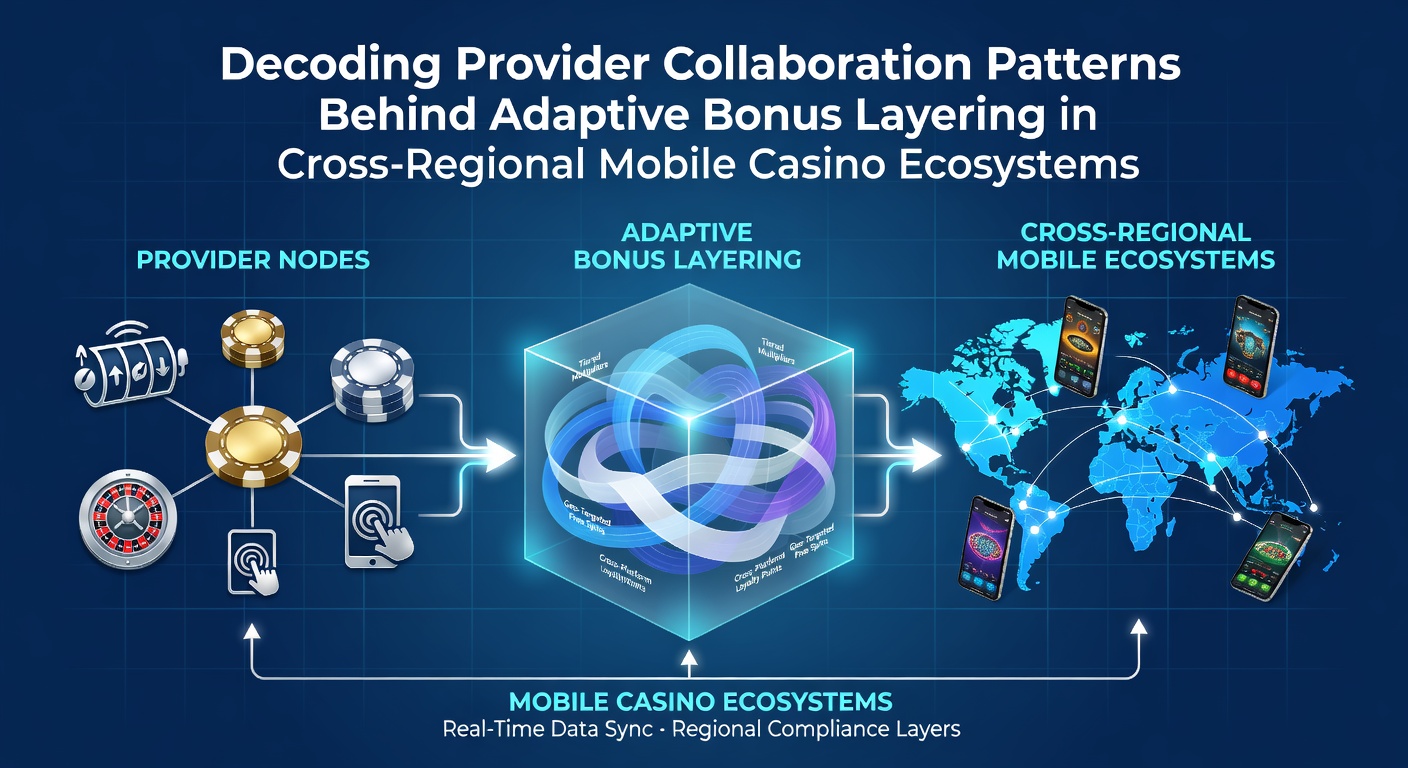
Provider networks in mobile casino platforms coordinate bonus structures through layered algorithms that adjust in real time across different regulatory zones, and these patterns emerge from shared data protocols rather than isolated development efforts. Operators track user location data alongside transaction histories to activate specific bonus tiers, while backend systems synchronize these adjustments through standardized APIs that multiple providers contribute to over time.
Mapping the Core Mechanics of Adaptive Layering
Adaptive bonus layering operates by stacking promotional elements such as deposit matches, free spin allocations, and cashback percentages in sequences that shift based on regional compliance requirements and player segmentation data. Providers exchange anonymized performance metrics through collaborative platforms, which allows each participant to refine trigger thresholds without duplicating infrastructure investments. In practice this means a single mobile session can activate one bonus layer in one jurisdiction while routing an entirely different sequence when the same account accesses the platform from another region.
Research from the Alcohol and Gaming Commission of Ontario shows that cross-border data synchronization increased by 27 percent between 2024 and 2025, driven largely by mobile operators seeking consistent user experiences without violating local prize pool rules. These systems rely on geofencing combined with account-level flags that providers update through joint dashboards.
Collaboration Frameworks Among Technology Suppliers
Technology suppliers form alliances that resemble supply-chain agreements more than traditional partnerships, with each company contributing specific modules such as RNG calibration, volatility indexing, or promotional payout engines. When one provider updates its bonus eligibility logic, the change propagates through shared testing environments where partners verify compatibility before rollout. Observers note that these alliances often include quarterly alignment meetings where teams review aggregated regional performance data and adjust weighting factors accordingly.
One documented case involved three separate software houses coordinating a multiplier system that adapted its ceiling values for European versus North American mobile users, with the final parameters locked in after joint simulation runs completed in early 2025. Such coordination reduces individual development costs while maintaining distinct brand identities on the player-facing side.
Regional Regulatory Pressures Shaping Technical Decisions
Different licensing bodies impose distinct constraints on bonus frequency, maximum prize values, and disclosure timing, which forces providers to embed conditional logic directly into their core engines. Teams working across these boundaries build decision trees that reference real-time regulatory feeds rather than static rule sets. Data compiled by the Malta Gaming Authority indicates that operators handling multi-region traffic updated their bonus configuration files an average of 4.2 times per quarter in 2025, compared with 2.1 updates for single-jurisdiction operators.

May 2026 brings additional reporting deadlines for operators licensed in multiple Canadian provinces, requiring explicit documentation of how bonus layers interact with responsible gaming limits. Providers have already begun mapping these requirements into their shared protocol updates, with preliminary testing scheduled for late April.
Technical Infrastructure Supporting Cross-Regional Sync
Cloud-based orchestration layers handle the heavy lifting of bonus distribution, routing player requests through edge servers that apply the correct regional rule set before the main game engine processes the session. These servers pull from a common repository where providers deposit updated bonus matrices, and version control systems track which parameters remain active in each territory. Latency remains under 150 milliseconds in most deployments because the heavy computation occurs at the orchestration level rather than inside individual game clients.
Engineers at several participating firms have implemented automated rollback triggers that revert to the previous bonus configuration if regional monitoring systems detect threshold breaches. This safeguard appears in production environments across at least four major mobile casino networks as of the first quarter of 2026.
Measuring Outcomes Through Shared Analytics
Shared analytics dashboards aggregate metrics such as bonus redemption rates, session duration after bonus activation, and regional churn figures. Participants receive anonymized slices of this data, which they then feed back into their individual tuning models. Figures released by the Nevada Gaming Control Board for the 2025 fiscal year show that mobile platforms using collaborative bonus systems recorded a 19 percent higher average session length than those operating with proprietary tools alone.
These measurements help providers identify which layering combinations produce stable engagement across borders without triggering additional compliance reviews. The process remains iterative, with new data streams incorporated every two weeks in most active alliances.
Conclusion
Provider collaboration on adaptive bonus layering continues to evolve through standardized data exchanges and joint infrastructure investments that respond directly to shifting regional requirements. Mobile casino ecosystems now depend on these coordinated patterns to deliver consistent functionality while respecting distinct regulatory frameworks. As reporting obligations expand in May 2026 and beyond, the same collaborative mechanisms will likely absorb new compliance variables without requiring complete system redesigns.