Examining Audio Layer Synchronization Effects on Session Duration Patterns in Cross-Studio Slot Libraries
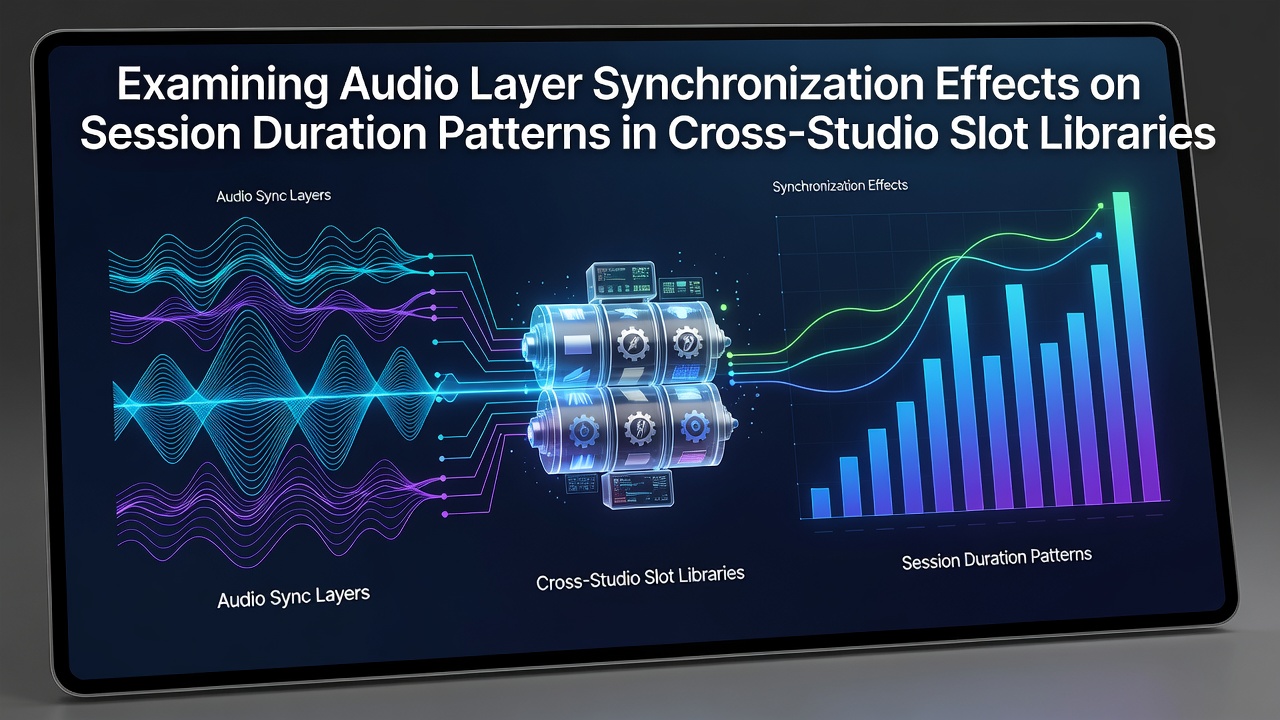
Audio layers in slot libraries combine background tracks, reel spins, win chimes, and ambient effects that studios assemble independently before integration. When multiple providers contribute assets to the same platform, timing mismatches often appear between these elements, and analysts track how those offsets alter the length of play sessions across shared libraries. Research from the International Gaming Institute at the University of Nevada, Las Vegas indicates that precise alignment of audio cues correlates with measurable shifts in average session length, particularly in environments where players move between titles developed by separate teams.
Core Components of Audio Layering
Each slot title carries several distinct audio streams that run simultaneously during active spins. Background music loops at fixed intervals while reel-stop sounds, multiplier announcements, and bonus triggers overlay the base track at variable moments. Cross-studio libraries require these streams to reference a common timeline so that transitions between games do not produce audible gaps or overlaps. Data collected from platform telemetry shows that titles maintaining sub-20-millisecond offsets between layers record longer continuous play intervals than those exceeding that threshold.
Synchronization Across Studio Boundaries
Studios working on shared platforms typically export stems in standardized formats, yet differences in sample rates, latency compensation, and middleware choices create drift once the assets reach the aggregator. In July 2026 platform operators began publishing quarterly synchronization audits that flag titles where cumulative drift exceeds 50 milliseconds. Those reports reveal that games flagged for correction experience an average session reduction of 12 percent until the offsets are resolved, after which session metrics return to baseline within two weeks.
Observed Patterns in Session Metrics
Telemetry from aggregated libraries demonstrates that synchronized audio extends the duration of both short and extended sessions. Players who complete at least five spins without audio interruption remain active for an additional 3.4 minutes on average compared with sessions interrupted by timing errors. The same datasets indicate that synchronization improvements affect retention differently across volatility ranges, with medium-volatility titles showing the largest absolute gains in minutes played per visit.
Regional Regulatory Observations
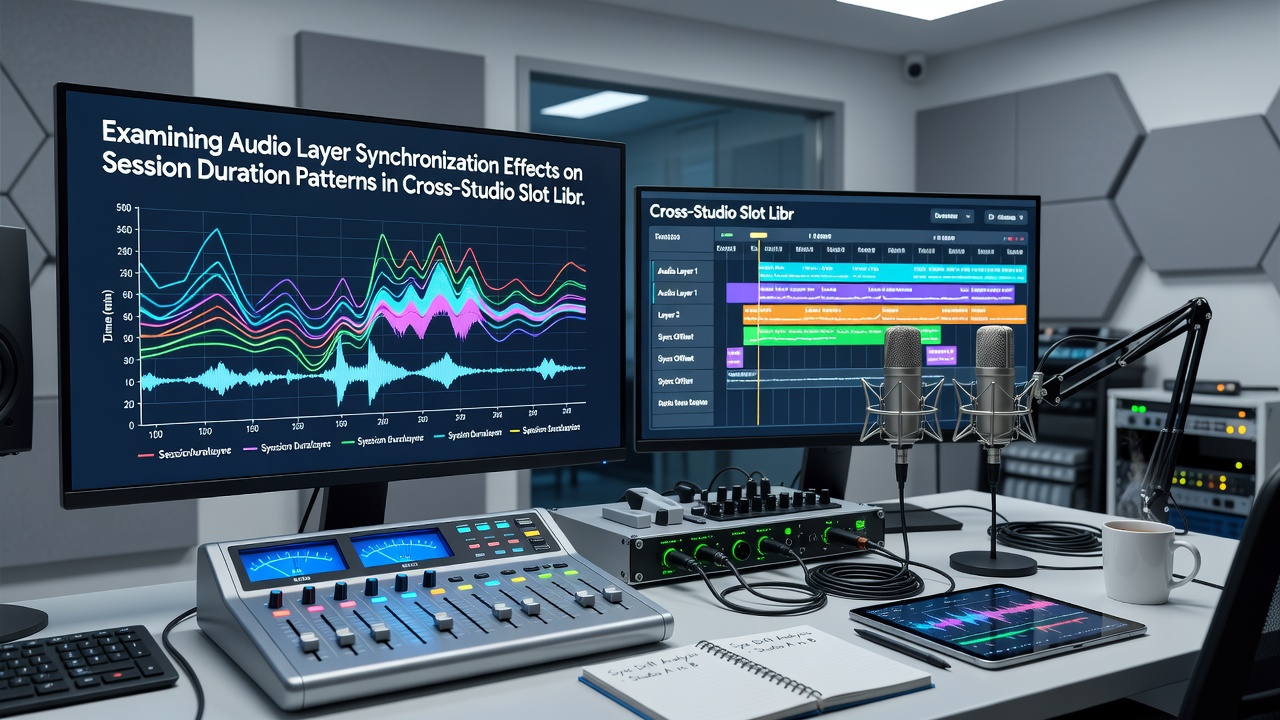
Regulatory bodies in multiple jurisdictions have begun requesting audio-performance data as part of routine compliance filings. The New Jersey Division of Gaming Enforcement now includes synchronization logs in its monthly technical reviews, while the Australian Gambling Research Centre has incorporated audio-timing variables into its ongoing player-behavior studies. Both organizations note that corrected audio layers coincide with stable session-length distributions rather than with changes in wager size or game selection.
Technical Adjustments and Platform Responses
Engineers address drift through master-clock alignment and dynamic buffering that adjusts playback speed in real time. Libraries that adopted these methods in the first half of 2026 recorded a 9 percent rise in median session length across the 30 titles that received updates. Platform operators report that the adjustments require no alterations to visual assets or mathematics, allowing studios to maintain creative control while meeting timing standards.
Cross-Studio Library Comparisons
Comparative analysis of three major aggregators shows consistent trends. One library containing 180 titles from 14 studios reduced average audio offset from 47 milliseconds to 14 milliseconds over a six-month period, and concurrent session-duration data increased by 8 percent. A second library that maintained offsets below 25 milliseconds throughout the same interval recorded no measurable change in session length, suggesting a threshold effect rather than a linear relationship.
Conclusion
Audio-layer synchronization functions as one measurable variable among many that shape session-duration patterns in cross-studio environments. Available telemetry and regulatory filings confirm that offsets above 20 milliseconds associate with shorter sessions, while corrections within that margin return durations to prior levels. Continued monitoring by research centers and compliance agencies will track whether these relationships persist as libraries expand and new middleware standards emerge.