How Provider Algorithms Influence Bonus Trigger Rates in High-Volatility Mobile Progressive Slots
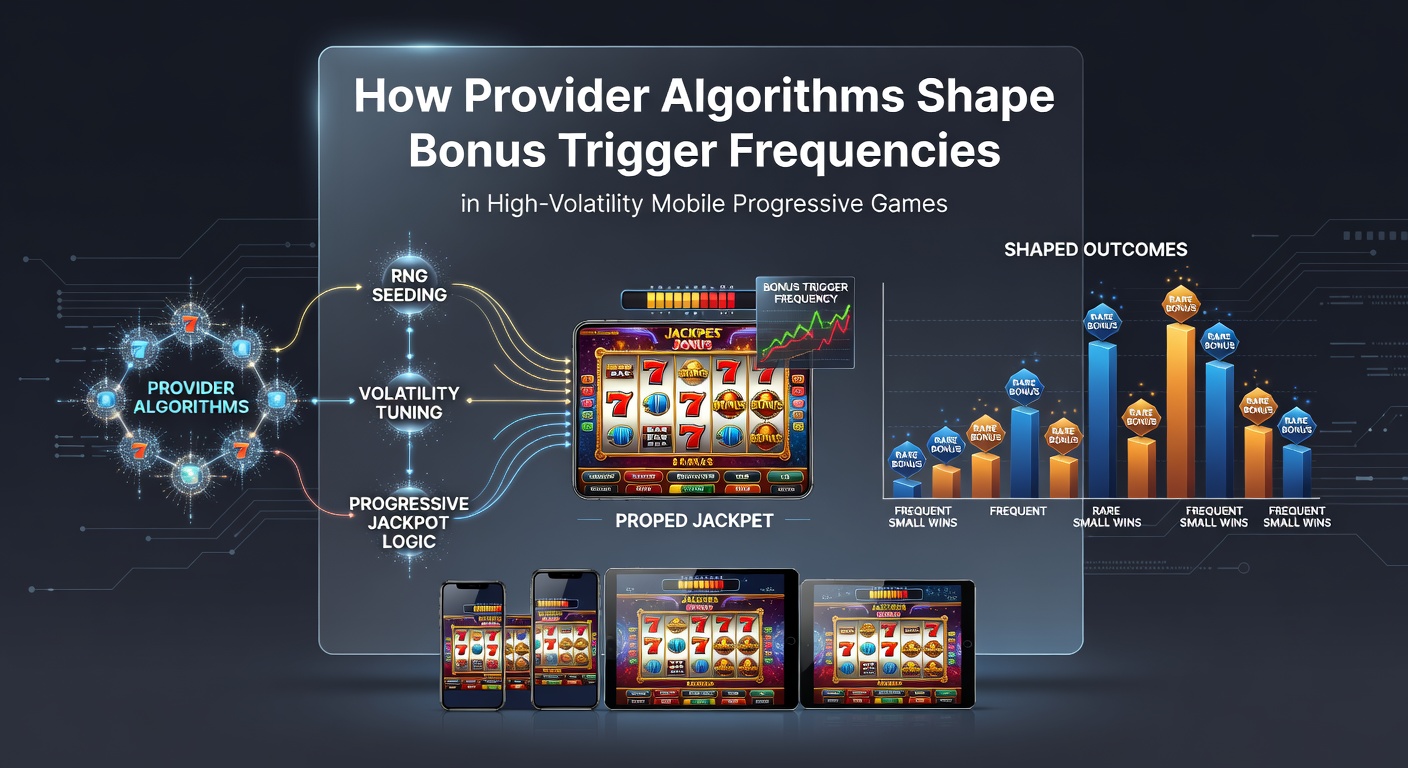
Provider algorithms determine bonus trigger frequencies in high-volatility mobile progressive games through precise adjustments to random number generators and weighted outcome tables, and these systems operate under strict regulatory oversight that shapes how often players encounter bonus rounds during extended mobile sessions. Developers calibrate these parameters to balance game mathematics with player engagement metrics while maintaining compliance across multiple jurisdictions.
Core Mechanics Behind Algorithm Design
High-volatility mobile progressive titles rely on pseudo-random number generators that cycle through millions of possible outcomes per second, yet providers layer additional weighting systems onto these generators to control the appearance rate of bonus symbols and progressive jackpot triggers, and this layering allows studios to fine-tune frequency without altering overall return-to-player percentages. Observers note that such weighting often appears in the form of dynamic probability tables that shift based on bet size, session duration, and accumulated progressive contributions.
Research indicates these adjustments occur during the certification process, where independent testing labs verify that bonus triggers align with published volatility ratings before a game receives approval for mobile distribution. Data from regulatory submissions shows that even small changes in symbol weighting can alter bonus frequency by several percentage points over hundreds of thousands of spins.
Regulatory Frameworks Guiding Frequency Controls
Multiple authorities require detailed documentation of algorithm parameters before approving high-volatility progressive titles for mobile platforms, and in May 2026 several Canadian provinces plan to introduce updated technical standards that mandate greater transparency around bonus trigger probabilities in progressive games. These standards aim to ensure players receive consistent information about expected bonus intervals without disclosing proprietary weighting formulas.
According to figures released by the Nevada Gaming Control Board, progressive mobile games submitted for approval in 2025 displayed bonus trigger rates ranging from once every 180 spins to once every 320 spins depending on the provider's chosen volatility model. Such ranges reflect deliberate algorithmic choices rather than random variation, while still satisfying minimum fairness thresholds set by the board.
Technical Implementation in Mobile Environments
Mobile platforms introduce additional constraints because session lengths tend to be shorter than desktop play, prompting providers to modify bonus trigger algorithms so that high-volatility progressives still deliver reasonable bonus exposure within typical five-to-fifteen-minute mobile sessions. Engineers achieve this by adjusting reel strip configurations and bonus symbol distribution probabilities while preserving the long-term mathematical volatility that defines these games.
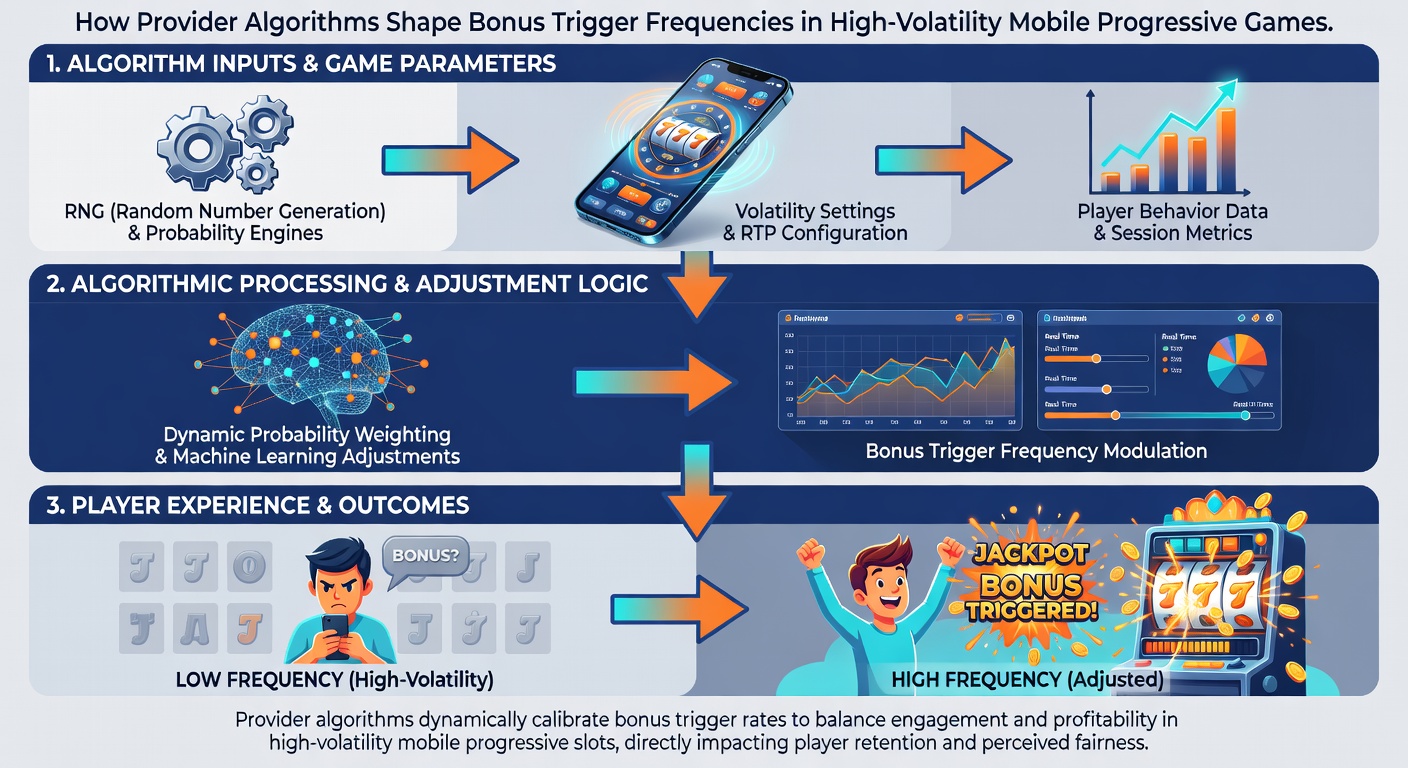
One documented approach involves conditional weighting that increases the likelihood of bonus symbols after a predetermined number of spins without a trigger, and this technique prevents excessively long dry spells that could frustrate mobile users. Studies conducted by researchers at the University of Nevada, Reno, reveal that such conditional systems maintain overall game integrity while smoothing perceived frequency for shorter play sessions.
Impact on Progressive Jackpot Accumulation
Bonus trigger frequency directly influences how quickly progressive jackpots grow because each non-winning spin contributes a small percentage to the pool, and providers therefore calibrate trigger rates to achieve desired jackpot growth curves across different bet levels. Lower trigger frequencies allow jackpots to climb higher between wins, whereas slightly higher frequencies distribute smaller progressives more often and can affect player retention patterns observed in mobile analytics.
Industry reports compiled by the European Gaming and Betting Association demonstrate that games with bonus triggers occurring once every 250 spins on average accumulate jackpots 18 percent faster than comparable titles with triggers every 200 spins when holding all other parameters constant. These findings come from aggregated data across multiple operators and highlight the deliberate engineering decisions embedded in provider algorithms.
Future Developments Expected by Mid-2026
Technical working groups continue to examine how emerging mobile technologies such as edge computing might allow more sophisticated real-time adjustments to bonus frequency algorithms without compromising certified randomness. Discussions scheduled for industry conferences in May 2026 will likely address whether dynamic systems that respond to individual player behavior patterns remain compatible with existing fairness regulations across different regions.
Testing laboratories already incorporate simulation runs exceeding one billion spins to verify that proposed algorithmic changes produce trigger frequencies within acceptable tolerance bands, and these extensive validations provide the empirical foundation for regulatory approval of next-generation high-volatility mobile progressive titles.
Conclusion
Provider algorithms shape bonus trigger frequencies through a combination of weighted random systems, regulatory compliance requirements, and platform-specific optimizations tailored to mobile play habits. Documentation submitted to bodies such as the Nevada Gaming Control Board and upcoming Canadian standards illustrate how these technical decisions receive systematic review before games reach players. Continued research and transparent reporting help maintain the balance between game excitement and verifiable fairness across the high-volatility progressive segment.