How Visual Layering Techniques Shape Retention in Themed Mobile Casino Environments
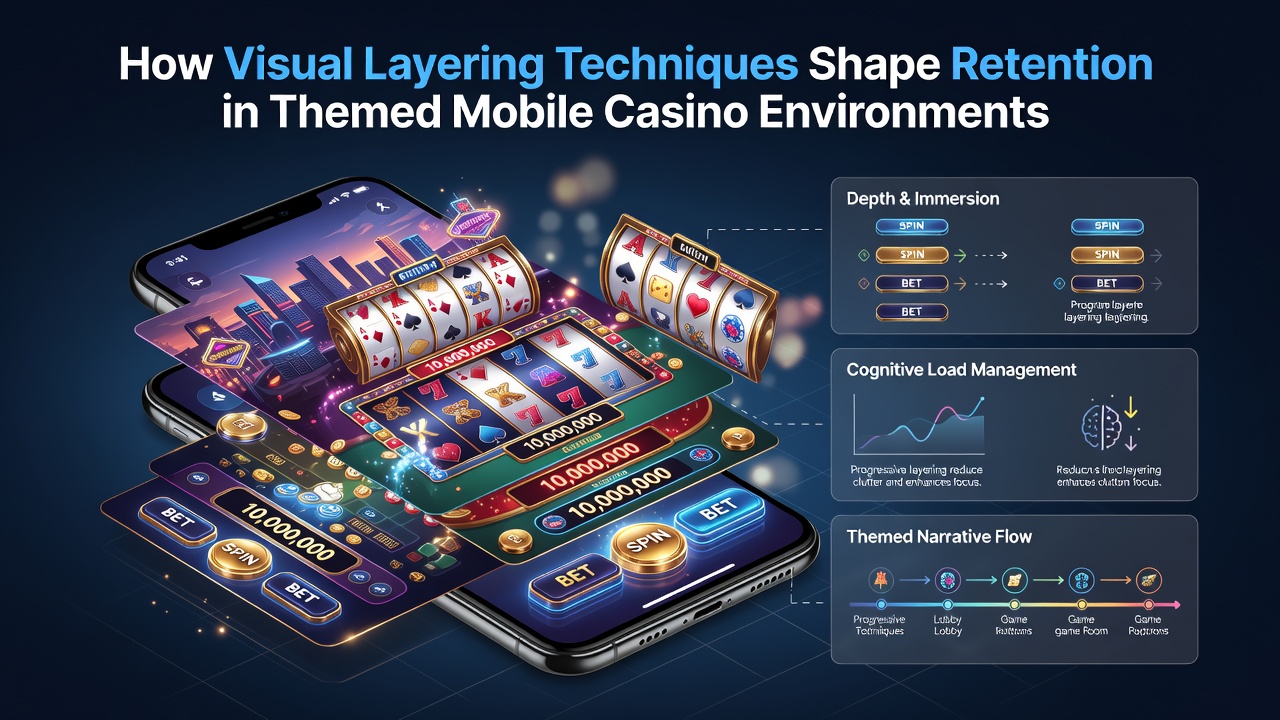
Visual layering in themed mobile casino environments involves stacking multiple graphical elements such as background scenes, foreground animations, interactive overlays, and depth effects to create immersive experiences that hold user attention across extended sessions. Developers apply these methods in applications featuring specific themes like ancient civilizations or futuristic worlds, where each layer contributes to navigation flow and visual hierarchy without overwhelming the small screen format.
Core Components of Visual Layering in Mobile Themes
Design teams construct visual layers through parallax scrolling that separates static backgrounds from moving foreground objects, translucent panels for control interfaces, and particle effects that respond to user taps. These components work together because operators integrate them into themed environments where the base layer establishes the setting while upper layers handle functional elements like spin buttons and balance displays. Research from the University of Nevada Reno indicates that such layering reduces visual clutter when executed with consistent opacity levels and spacing rules across different device resolutions.
Operators in June 2026 began incorporating adaptive layering systems that adjust element density based on user session length, which data shows helps maintain engagement in titles with narrative-driven themes. The technique relies on hardware acceleration available in modern smartphones, allowing smooth transitions between layers during gameplay sequences.
Retention Patterns Linked to Layered Designs
Analytics platforms track retention through metrics including daily active users and average session duration, and figures reveal correlations between layered interfaces and prolonged play in themed mobile casinos. Layered visuals guide attention to key action areas while providing contextual information through background details, which supports continued interaction without requiring constant menu navigation. Studies conducted by the Canadian Centre for Gaming Research found that applications employing depth-based layering retained users 18 percent longer on average compared to flat interface versions during controlled testing periods.
Those who examine player behavior data note that themed environments benefit particularly from layering because the added visual dimensions reinforce the thematic narrative, encouraging repeat visits. For instance, a space exploration theme might use layered star fields behind control panels that subtly shift during bonus rounds, creating continuity that keeps sessions cohesive.
Implementation Across Different Theme Categories
Historical themes often employ layered parchment textures and artifact overlays to simulate physical environments, whereas fantasy themes utilize particle systems and lighting gradients to suggest magical effects. Mobile developers adjust layering density according to theme complexity because simpler themes require fewer overlapping elements to avoid performance issues on lower-end devices. Reports from the Nevada Gaming Control Board document that casinos adopting layered visuals in their mobile platforms observed steady increases in return visits through the first half of 2026.
What's interesting is how these techniques integrate with touch interactions, since layered elements can provide tactile feedback through animation responses that confirm user inputs. This approach appears in multiple cross-platform releases where consistent layering rules help standardize experiences between iOS and Android versions.
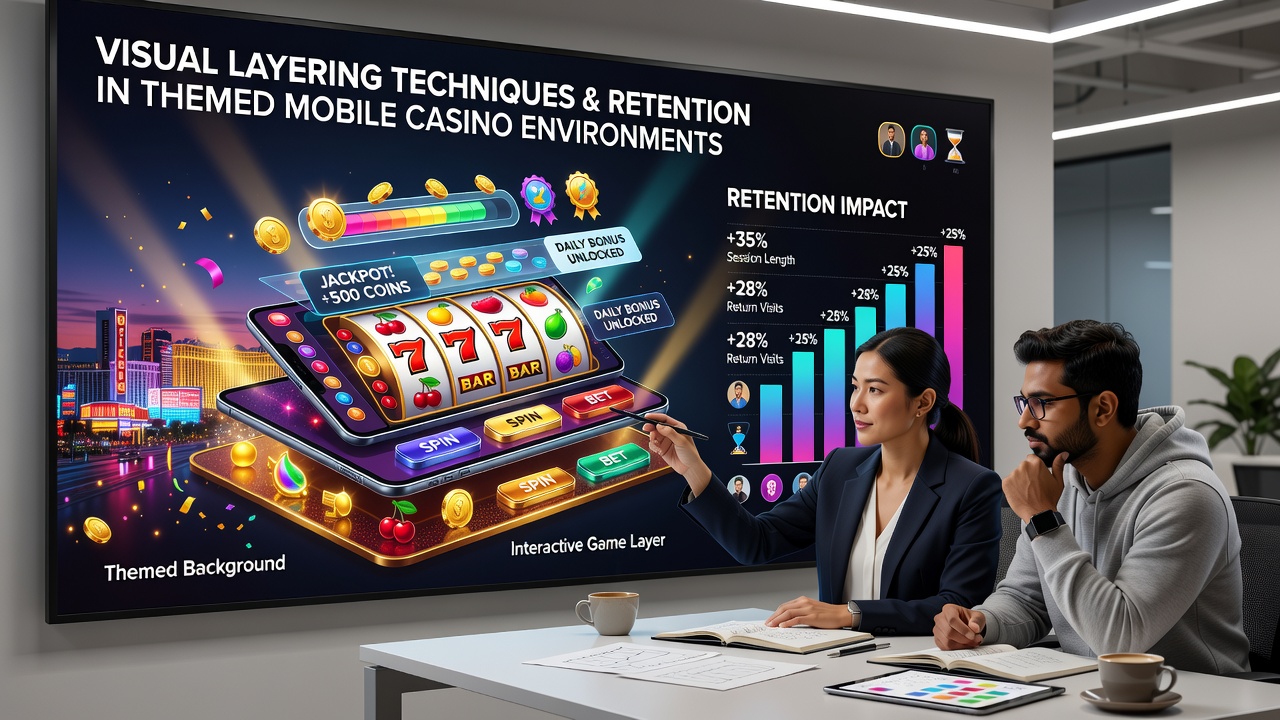
Operators report that seasonal updates in June 2026 included refined layering for event-based themes, allowing temporary elements like holiday decorations to sit above core game layers without disrupting established navigation patterns. Such updates demonstrate how layering supports content refreshes while preserving core retention mechanics.
Data Insights from Industry Monitoring
Performance tracking tools measure how layering affects load times and frame rates, with optimized implementations maintaining 60 frames per second even when multiple layers activate simultaneously. According to findings published by the International Gaming Institute, mobile applications that balanced layering complexity with device capabilities showed improved retention rates across varied user demographics. The data covers deployments in North American and European markets where themed content forms a significant portion of the catalog.
But here's the thing: retention gains depend on execution quality because excessive layers can increase processing demands and lead to stuttering on older hardware. Developers therefore test layering configurations extensively before release to ensure stability across the range of supported devices.
Conclusion
Visual layering techniques continue to evolve as mobile hardware advances and operators refine their approaches to themed casino applications. Evidence from regulatory reports and academic studies shows measurable connections between these design methods and user retention metrics, particularly when layers align with thematic consistency and performance standards. Continued monitoring through 2026 will likely provide further details on how these practices adapt to emerging device capabilities and player preferences in mobile environments.