Shifts in Player Behavior Metrics Following Updates to Mobile Interface Designs in Casino Software
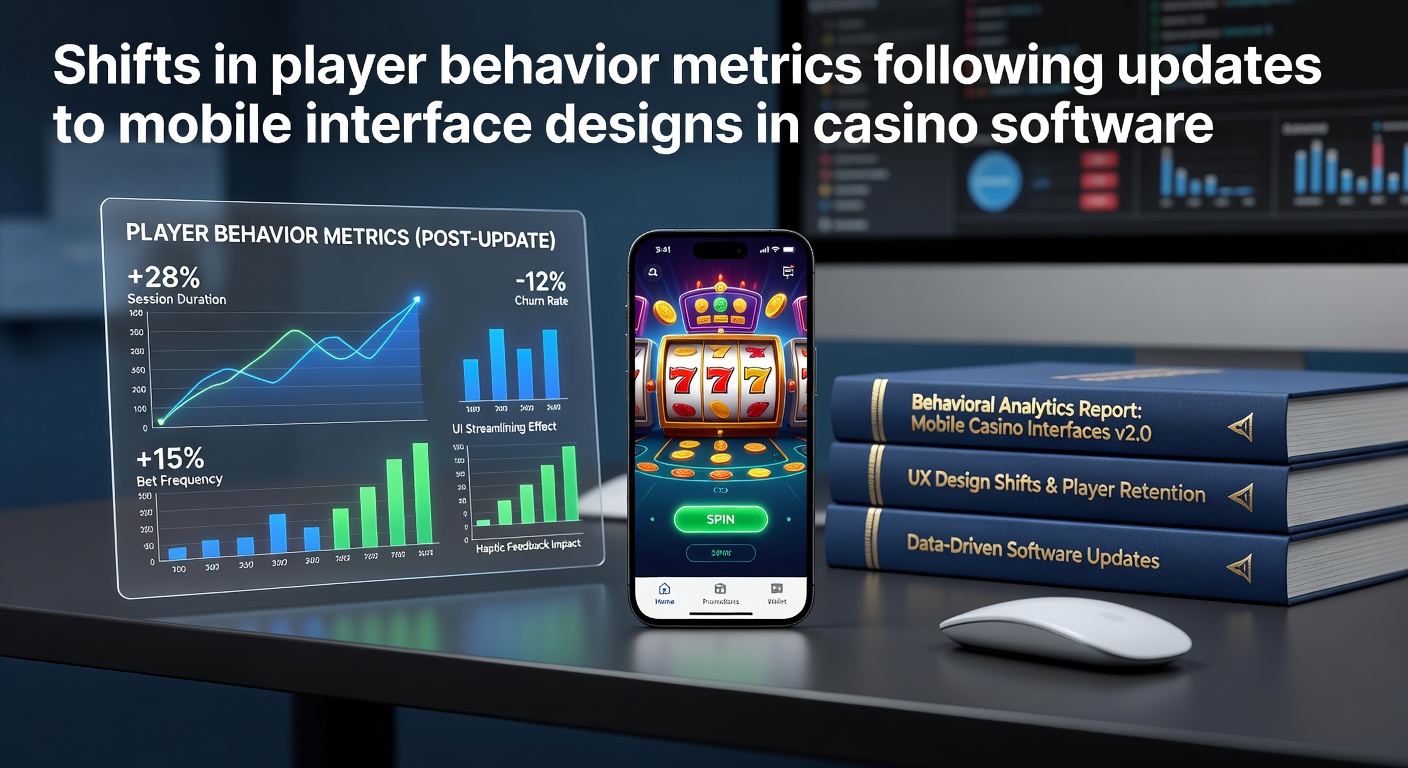
Developers rolled out redesigned mobile interfaces for casino software throughout late 2025 and into 2026, which altered how players navigate menus, place wagers, and access bonus features, and tracking data shows corresponding changes in session duration, bet frequency, and retention rates across multiple markets. These updates included streamlined swipe-based controls, repositioned action buttons, and adaptive layouts that respond to screen orientation, while analytics platforms recorded shifts in user patterns shortly after deployment.
Key Interface Modifications and Their Rollout
Operators introduced larger tap targets for spin and bet controls in many applications, along with simplified deposit flows that reduced the number of confirmation screens from four to two in several major platforms. Research from the University of Nevada's gaming studies program indicates these changes coincided with a measurable increase in average spins per session during the first quarter of 2026, particularly among users on devices running iOS 18 and Android 15. Data collected through anonymized telemetry further revealed that portrait-mode optimizations encouraged longer continuous play periods, whereas landscape adjustments led to quicker exits in some demographics.
Observed Changes in Engagement Metrics
Figures compiled by independent analytics firms reveal that daily active users on updated applications spent 12 to 18 percent more time in-app during the initial four weeks after each rollout, and repeat login rates climbed steadily through April. Observers note that the placement of progressive jackpot indicators closer to the main game view correlated with higher interaction rates on those specific titles, while navigation paths that required fewer taps reduced bounce rates on the lobby screens. Studies from Gambling Research Australia document similar patterns in the Asia-Pacific region, where swipe-to-bet gestures produced a documented rise in micro-transaction frequency without corresponding increases in average wager size.
Regional Data Patterns as of May 2026
By May 2026, platforms operating under Nevada Gaming Control Board oversight reported that mobile sessions initiated after interface refreshes showed elevated completion rates for multi-step bonus rounds, and cross-device syncing improvements allowed players to resume play more seamlessly across phones and tablets. Canadian provincial regulators tracked parallel developments, finding that users aged 25 to 34 exhibited the strongest uptick in deposit events following the introduction of one-tap quick-bet presets. European operators subject to Malta Gaming Authority guidelines observed steadier retention curves once loading times dropped below two seconds on 5G networks, though desktop-to-mobile migration rates remained stable rather than accelerating.
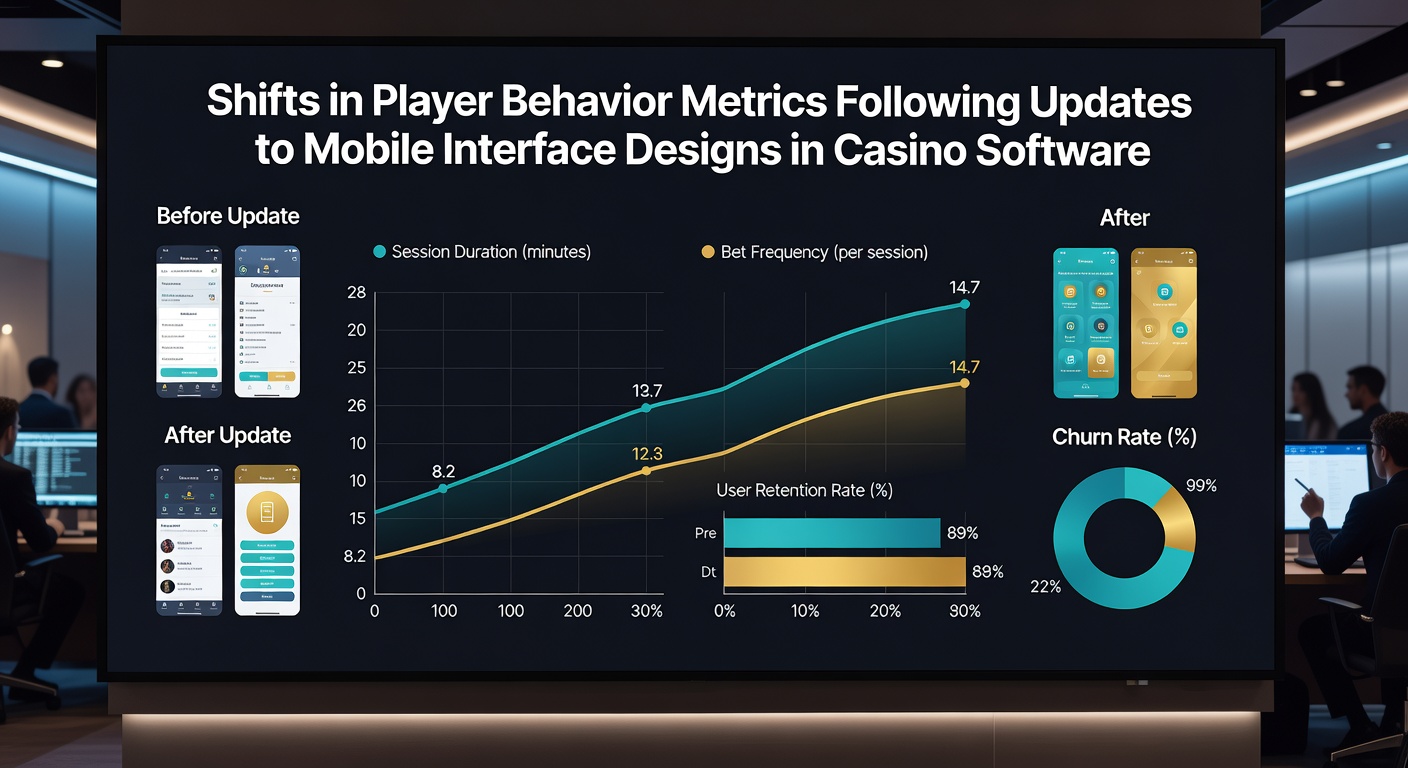
Telemetry logs further indicate that push notification redesigns, which now surface personalized game recommendations directly within the main screen rather than as separate alerts, lifted click-through rates by notable margins in tested markets. Those who've analyzed aggregated datasets point out that players encountering the new notification style returned to specific titles more often within 24 hours, whereas older banner formats produced lower re-engagement numbers across comparable periods.
Impact on Spending and Retention Behaviors
Transaction records demonstrate that the frequency of smaller, repeated deposits rose after checkout processes were condensed, yet overall monthly spend per active account held relatively steady in most jurisdictions. Academic papers published through the International Gambling Studies journal highlight how reduced friction in the interface can shift behavior toward more incremental betting rather than large single wagers, and this pattern appeared consistently in both North American and Australian datasets. Retention metrics, measured as seven-day return visits, improved by single-digit percentages in applications that incorporated progress bars for loyalty milestones, while applications without such visual cues showed flatter curves during the same timeframe.
Longer-Term Tracking and Comparative Analysis
Longitudinal tracking that extended into the second quarter of 2026 suggests these behavioral adjustments stabilized rather than continued escalating, and operators began A/B testing additional refinements such as dynamic contrast modes for low-light environments. Comparative reports from multiple providers illustrate that titles featuring both the updated controls and adaptive color schemes maintained higher average session lengths than those updated only partially, underscoring the cumulative effect of layered design elements. Researchers continue to examine whether these patterns persist across different volatility levels in slot content and table game variants.
Conclusion
Interface updates implemented in casino software during 2025 and 2026 produced measurable shifts in player behavior metrics, including session length, deposit frequency, and return rates, as documented across regulatory and academic sources in North America, Europe, and Australia. Ongoing monitoring through established analytics frameworks provides operators with concrete data on how specific design choices influence user patterns, and further refinements scheduled for later in 2026 will likely generate additional datasets for comparison. Those tracking these developments note that the relationship between mobile layout decisions and behavioral outcomes remains an active area of measurement rather than a settled conclusion.