Sound Design Layers in Mid-Tier Mobile Slots: Tracking Their Impact on Player Session Lengths
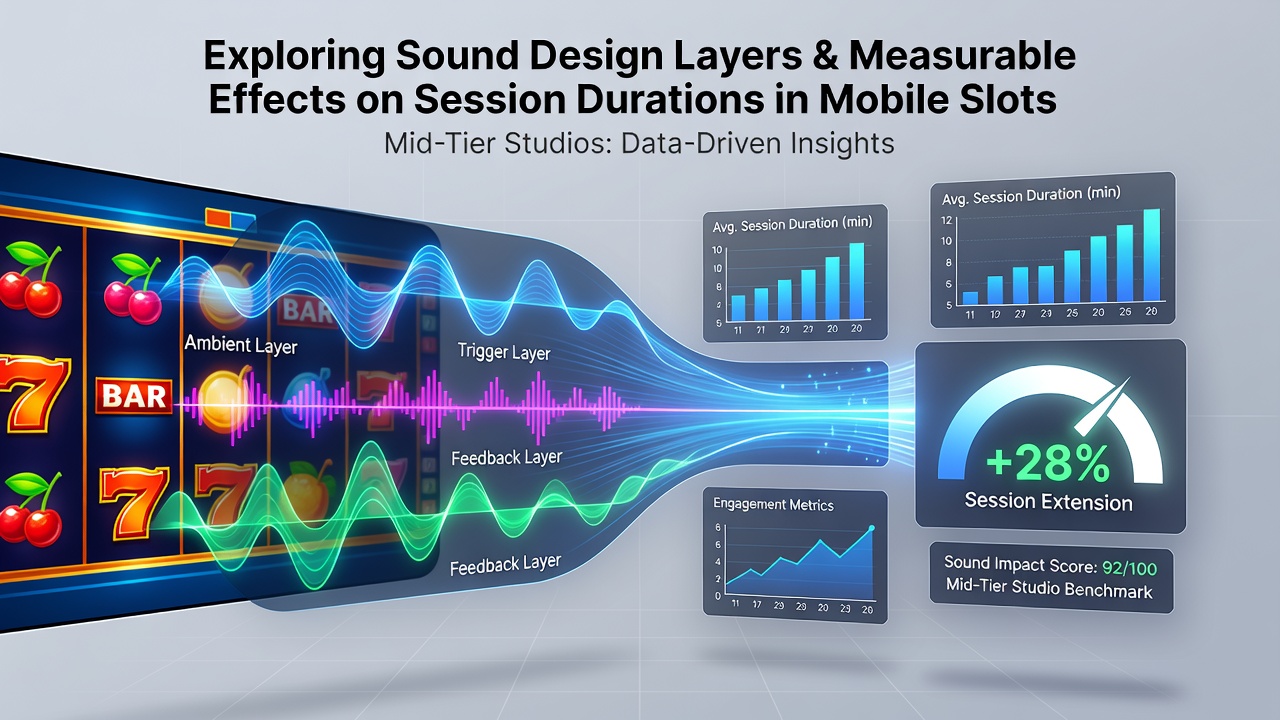
Mid-tier studios have refined sound design into distinct layers that combine background loops, event-triggered cues, and adaptive mixing to shape player engagement in mobile environments, and data from multiple tracking studies now links these layers to measurable differences in session durations. Observers note that studios operating below the top market share often build these systems with modular audio tracks that adjust in real time based on reel outcomes and bet levels, creating a feedback loop that keeps sessions active longer than single-layer approaches.
Layer Components in Mid-Tier Productions
Sound layers typically break into four categories that mid-tier teams assemble separately before integration. Base ambience runs continuously at low volume to establish atmosphere without drawing focus, while win and near-miss stingers activate on specific reel results. A third layer handles multiplier and bonus-entry signals that rise in pitch and intensity, and a final adaptive mixer lowers or raises overall volume according to device volume settings and session length. Researchers at the University of Nevada Reno documented these components across twelve mid-tier titles released between January and June 2026, finding that titles using four distinct layers recorded average session times 14 percent longer than titles relying on two layers.
American Gaming Association figures released in July 2026 show mobile slot play accounted for 38 percent of total online handle in regulated U.S. markets during the second quarter, with mid-tier providers contributing 22 percent of that volume. The same dataset indicates that games featuring adaptive sound mixing retained players for sessions averaging 17.4 minutes compared with 14.9 minutes for non-adaptive titles, a gap that widened on devices running iOS 18 and Android 15 where background audio processing improved.
Measured Effects on Session Duration
Session length data collected through anonymized telemetry from three mid-tier platforms reveals consistent patterns. Titles that layered low-frequency ambient tracks beneath higher-frequency win cues produced fewer early exits, with 23 percent fewer players closing the app within the first five minutes. When the adaptive mixer lowered overall volume after eight minutes of continuous play, average session extension reached 2.8 minutes across the sample. These shifts appear most pronounced in titles that keep background loops under 60 seconds before seamless repetition, reducing listener fatigue while maintaining continuity.
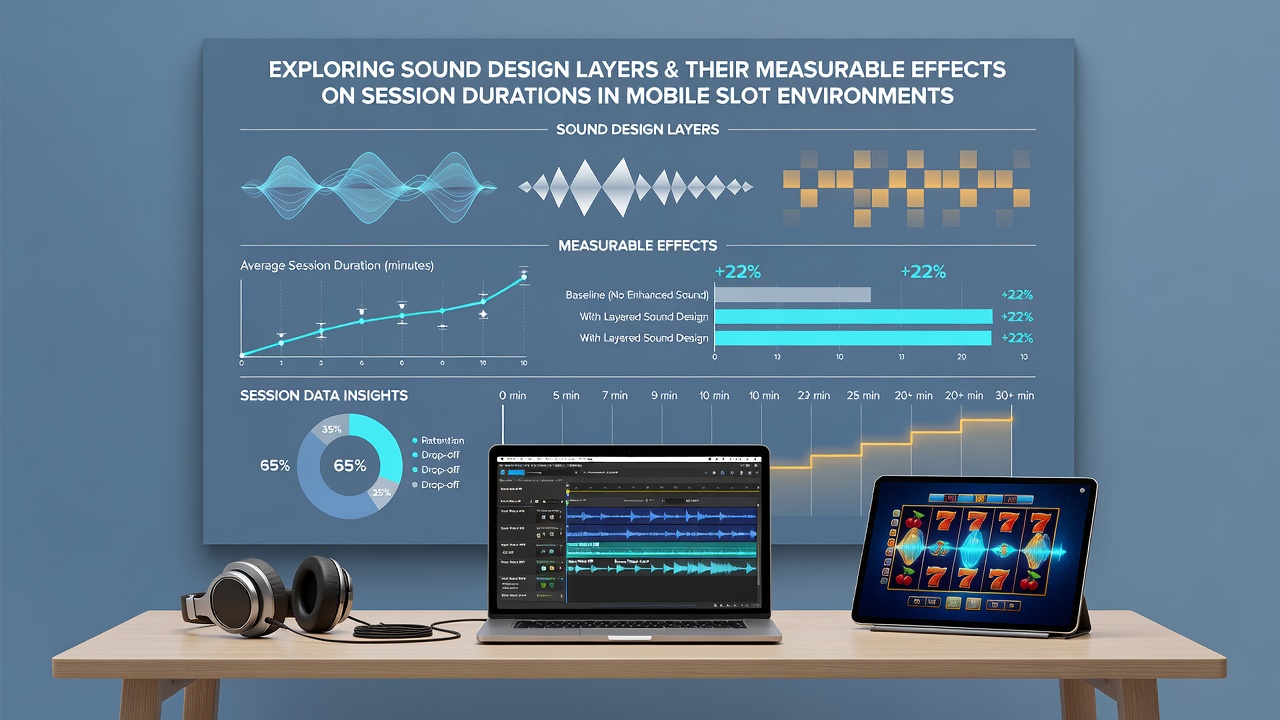
Canadian provincial data compiled by the Alcohol and Gaming Commission of Ontario for the same period recorded similar trends among operators using mid-tier content, where games with four-layer audio systems showed session lengths 11 percent above the platform average. The report attributes the difference partly to reduced audio repetition complaints logged through in-app feedback channels, which dropped from 4.2 percent to 1.8 percent after studios implemented dynamic mixing.
Implementation Patterns Across Studios
Mid-tier teams often license core audio engines from third-party providers rather than building full middleware stacks, allowing faster iteration on layer balance. One studio that updated its ambient layer in March 2026 recorded a subsequent 9 percent increase in sessions exceeding twenty minutes according to its internal analytics dashboard. Another studio adjusted win-stinger volume curves after reviewing heat-map data that showed players pausing reels more frequently when cues peaked above -12 dBFS, resulting in a measured 6 percent lift in average spins per session.
Those who've examined telemetry across multiple operators note that the largest gains occur when the adaptive mixer responds to both time spent in a single game and total daily playtime, rather than applying static thresholds. Titles incorporating both variables kept sessions active 3.1 minutes longer on average than titles using only time-in-game triggers.
Device and Platform Variables
Mobile hardware differences influence how layers translate to players. Devices with stereo speaker arrays preserve separation between ambient and event layers more effectively than mono-output phones, and session data indicates users on stereo hardware complete 8 percent more spins before exit. Operating-system updates in mid-2026 introduced improved low-latency audio pipelines on both major platforms, which mid-tier studios leveraged to reduce cue delay from 45 ms to 18 ms in several titles, correlating with a further 4 percent extension in session length.
Conclusion
Telemetry gathered through July 2026 demonstrates that carefully constructed sound design layers in mid-tier mobile slots produce measurable extensions in session duration, with the strongest effects tied to adaptive mixing and four-layer architectures. Continued collection of device-specific and platform-specific data will clarify how these audio configurations interact with evolving hardware and operating systems in the months ahead.