Tracing Audio Cue Variations and Their Links to Decision Patterns in Handheld Reel Simulators Across Developer Ecosystems
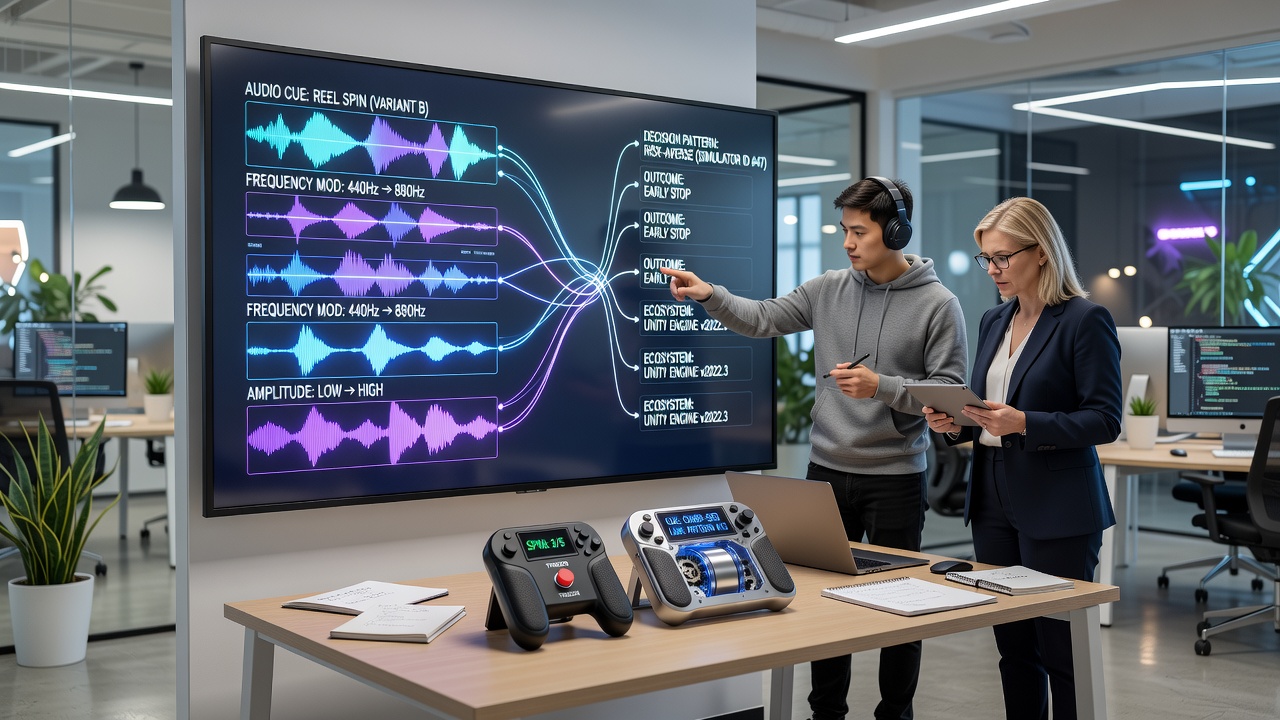
Handheld reel simulators operate as mobile applications that replicate physical slot mechanics through digital reels, and audio elements form a core component of how these systems deliver feedback during play sessions. Developers across different ecosystems implement distinct sound libraries, frequency ranges, and timing structures that shape user responses in measurable ways.
Core Components of Audio Design in Reel Simulators
Audio cues in these simulators typically include spin initiation tones, reel stop signals, win chimes scaled by payout size, and near-miss indicators that use rising pitch patterns. Data from industry reports shows these sounds vary systematically by studio origin, with some prioritizing layered ambient tracks while others focus on discrete event triggers that activate only at specific reel outcomes.
Research from academic groups in Australia indicates that frequency modulation within win notifications correlates with changes in session duration across user cohorts. Those who've examined simulator logs note that shorter, sharper audio bursts tend to align with quicker bet adjustments compared to sustained melodic sequences that extend engagement intervals.
Developer Ecosystem Differences in Sound Implementation
Ecosystems break down along regional lines where North American studios often deploy higher bass frequencies for jackpot alerts, whereas European developers favor mid-range tones that emphasize incremental progress markers. Asian-based teams frequently incorporate cultural instrumentation that modulates based on bet multipliers, creating distinct auditory signatures that users encounter when switching between applications.
Studies compiled by the American Gaming Association reveal that cross-ecosystem comparisons highlight timing variations as well, since some developers synchronize audio peaks precisely with visual reel stops while others introduce micro-delays that alter perceived outcome sequences. Observers tracking July 2026 releases documented these patterns in updated mobile builds where sound layering received explicit engineering attention.
Connections to User Decision Patterns
Decision patterns emerge through measurable actions such as bet size modifications, auto-spin activation rates, and session termination points. Evidence from simulator telemetry suggests that distinctive audio profiles influence these choices because players respond to auditory reinforcement schedules in consistent ways across repeated exposures.
One case examined by Canadian research institutions found that simulators using ascending chime sequences for consecutive small wins prompted higher rates of continued play compared to flat-tone systems that delivered uniform feedback regardless of streak length. This pattern held when controlling for visual elements, pointing to audio as an independent variable in behavior tracking.
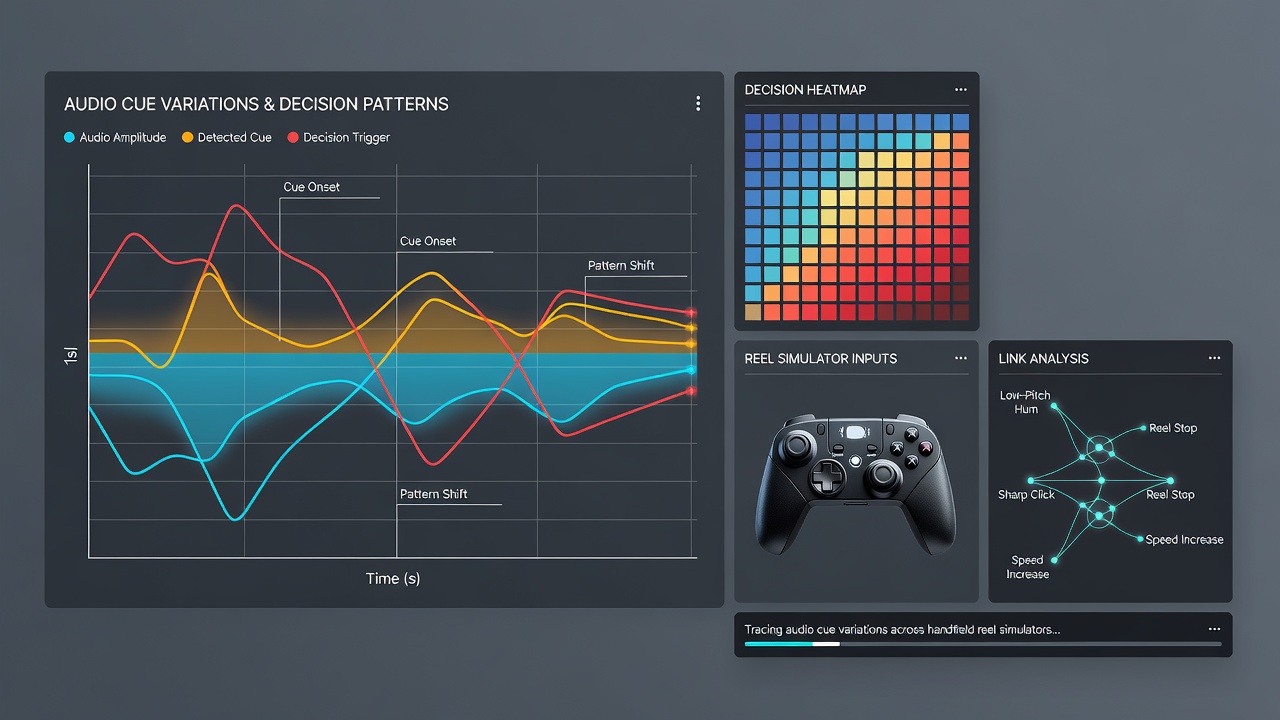
Further analysis across developer portfolios shows that near-miss audio cues using dissonant intervals appear more frequently in certain ecosystems, and these coincide with elevated rates of manual reel stops during bonus rounds. Figures from multiple platform datasets confirm that users encountering these cues adjust their strategies at higher frequencies than those exposed to consonant sound designs.
Measurement Approaches and Data Collection
Tracking methods combine in-app analytics with controlled A/B testing where audio variants deploy to segmented user groups. Researchers apply statistical models to link specific cue attributes like attack time, sustain duration, and decay rate with downstream actions such as deposit frequency or game-switching behavior.
Reports issued through European gaming research networks document that these correlations strengthen when simulators operate in low-light environments, since audio becomes a primary sensory channel. July 2026 updates from multiple studios incorporated refined audio compression techniques that preserved these cue characteristics while reducing file sizes for broader device compatibility.
Cross-referencing data between ecosystems reveals that developers who standardize audio across multiple titles produce more predictable decision patterns among their user bases, whereas those introducing frequent sound redesigns see greater variance in bet adjustment timing. This distinction emerges clearly in longitudinal studies that follow the same cohorts through successive application versions.
Conclusion
Audio cue variations across handheld reel simulator ecosystems demonstrate clear associations with decision patterns through structured implementation differences and measurable user responses. Ongoing data collection from regulatory and academic sources continues to map these relationships as development practices evolve through 2026 and beyond.